
Get Rid Of Mould (GROM_) Trustindex Reviews

Types of House Moulds and Their Health Risks (Complete Homeowner Guide)

Worried about mould in your home? Discover mould types, danger levels and all of the health risks you, your family and even your pets are exposed to.
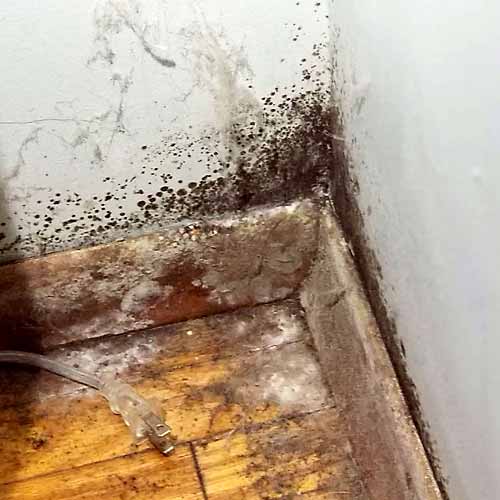
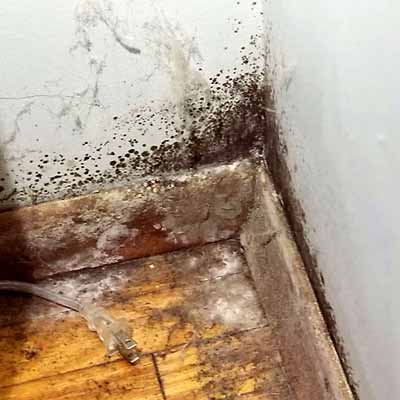
Types of house mould & the health risks involved.

Why do household mould problems start in the first place?

Mould growth in homes almost always begins with excess moisture, whether from a basement leak, roof damage, high indoor humidity, condensation around windows, or poor bathroom ventilation.

Mould reproduces by releasing microscopic spores into the air, which can affect indoor air quality and human health.

According to Health Canada and the CDC (Centers for Disease Control and Prevention), mould spores are naturally present in the air, both indoors and outdoors and the problem starts when those microscopic spores land on damp materials like drywall, wood framing, carpet, or insulation and have enough moisture and organic material to feed on.

Within 24–48 hours, mould colonies can begin forming.

Certain types of mould develop depending on the environment: Cladosporium and Penicillium often grow on damp fabrics and walls, Aspergillus thrives in areas with persistent humidity, and Stachybotrys chartarum (commonly called black mould) typically forms on heavily water-damaged materials with long-term saturation.

In short, mould doesn’t randomly appear.

It grows where moisture problems are left unresolved, and the type of mould that forms is directly linked to the level of water intrusion, ventilation issues, and the materials affected.
Sources:

Common types of household mould.

Common Types of Indoor Mould Species:

If you are dealing with mould growth anywhere in your home, understanding mould species identification is the first step in protecting your residential property and occupant health through proper indoor air quality management.

The following information includes the various types of household mould, how to identify it, where it typically grows and the health hazards and toxicity levels that go with it.
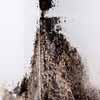
Household toxic black-mould stachybotrys chartarum

Black Mould (Toxic Mould)

Stachybotrys chartarum

Visual Identification:

Exhibits a distinctive dark black or greenish-black coloration with a characteristically slimy, wet texture. Colonies often manifest in patches displaying a wet or shiny appearance, indicating active moisture presence.

Common Growth Locations:

Thrives in environments with persistent moisture exposure: concealed wall cavities, above ceiling tiles, beneath carpet padding and subflooring, within HVAC ductwork and air conditioning systems, surrounding leaking plumbing fixtures, and water-damaged building materials.

Health Hazards & Toxicity:

Produces dangerous mycotoxins that can trigger severe respiratory illness, neurological complications, immune system dysfunction, and chronic inflammatory responses. Recognized as the most hazardous common residential mold species requiring immediate professional mold abatement.

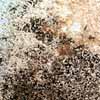
Household aspergillus-mould aspergillus species

Aspergillus Mould

Aspergillus species

Visual Identification:

Displays variable coloration including green, white, yellow, or brown pigmentation. Develops elongated, flask-shaped spore structures creating a distinctive powdery or dusty surface appearance.

Common Growth Locations:

Colonizes food products, air conditioning units, ventilation systems, interior wall surfaces, building insulation, paper-based materials, textiles, and stored clothing items.

Health Hazards & Toxicity:

Can cause aspergillosis, a potentially severe fungal lung infection. Poses elevated danger for immunocompromised individuals, transplant recipients, and people with pre-existing pulmonary conditions including chronic obstructive pulmonary disease (COPD) or asthma.
Household penicillium mould penicillium-species.

Penicillium Mould

Penicillium species

Visual Identification:

Presents blue or green coloration with velvety or powdery textural qualities. Commonly recognized as the fuzzy growth appearing on aged bread products, spoiled citrus fruits, and deteriorating organic matter.

Common Growth Locations:

Proliferates on water-damaged construction materials, wallpaper, carpet fibers and backing, mattresses and bedding, and throughout heating, ventilation, and air conditioning (HVAC) systems.

Health Hazards & Toxicity:

Demonstrates rapid airborne spore dispersal patterns that require immediate mould removal services. Can trigger allergic reactions, respiratory tract infections, and hypersensitivity pneumonitis. Certain strains produce harmful mycotoxins affecting human health.
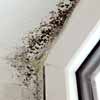
Household alternaria mold alternaria alternata

Alternaria Mold

Alternaria alternata

Visual Identification:

Features dark brown or black pigmentation with velvet-like textural properties. Colony growth manifests in clusters resembling fine hairs or wool-like formations.

Common Growth Locations:

Establishes in showers, bathtubs, window frames and sills, beneath sinks, bathroom environments, and other moisture-rich areas with inadequate ventilation and air circulation.

Health Hazards & Toxicity:

Recognized as the most prevalent allergenic mold species. Can precipitate severe asthma exacerbations, allergic rhinitis, and allergic reactions, particularly impacting sensitive individuals and those with diagnosed mold allergies.
Household cladosporium mould cladosporium species

Cladosporium Mould

Cladosporium species

Visual Identification:

Displays olive-green to brown or black pigmentation. Surface texture can resemble suede material or exhibit powdery characteristics.

Common Growth Locations:

Colonizes wood surfaces and lumber, textile materials and fabrics, bathroom tile grout, and cooler environments such as basement windows and foundation areas.

Health Hazards & Toxicity:

Generally exhibits lower toxicity levels but can still trigger respiratory problems, dermatological rashes, and ocular irritation. Unique ability to proliferate in both warm and cold temperature conditions.
Household aureobasidium mould aureobasidium pullulans

Aureobasidium Mould

Aureobasidium pullulans

Visual Identification:

Initially manifests in pink, brown, or black coloration, progressively darkening to solid black over time. Exhibits slimy textural properties during early growth phases.

Common Growth Locations:

Found behind wallpaper materials, on painted wall surfaces, wooden window frames and trim, bathroom caulking and sealants, and tile grout lines.

Health Hazards & Toxicity:

Can cause contact dermatitis, nail fungal infections (onychomycosis), and skin infections. Allergic responses possible in individuals with mold sensitivities.

More information:

Critical Health Warning

Mold exposure can trigger serious health complications, particularly for vulnerable populations including young children, elderly individuals, people with respiratory conditions such as asthma or COPD, immunocompromised individuals, and household pets. If you identify significant mold growth, water damage, or experience persistent respiratory symptoms in your residence, consult with certified mold remediation specialists and healthcare professionals immediately.

Sources:

Our Mould Remediation Services Include:

From the initial visual inspection, right through to complete mould removal, we offer complete, start-to-finish mould remediation services.

Mould Inspections

If you suspect there is mould in your home, all of our visual mould inspections are provided free of charge and we'll be happy to come out to help.

Air Quality Testing

If we can't visually find the source of your mould, we can conduct additional, professional air quality testing that uses effective infrared technology.

Mould REmoval

Using the latest industry IICRC approved methods, we'll quickly and safely remove all of your mould and ensure that it stays gone for good.

Got Mould? Tell Us About It!

Take a minute to send us a message and tell us about what you're experiencing. We'll get back to you right away, we promise.